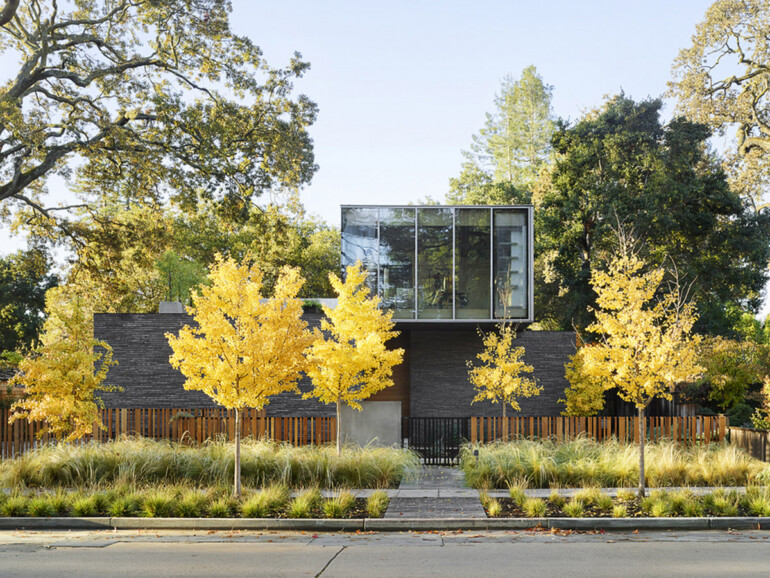
Eric Blasen cofounded the Blasen Landscape Architecture, a design studio, in San Anselmo, California. Since then he has created landscapes for places of worship, schools, corporate offices and wineries, but his main focus is large residential gardens, for which it has garnered top American landscape architecture awards. He has taught in the Architecture Department at California College of Art, San Francisco, California, and served on many academic juries. We caught up with him to find out more about his work.
What is your favorite corner in the world — and why?
Italy with it’s history, beautiful landscapes, delicious food and friendly people. I went on a bike riding trip outside of Lucca and stayed in Villa for a week it was amazing. Venice, Roma, Lake Como and the Amalfi Coast. I really like the diversity of landscapes and beauty. I feel so at ease when I am there. I find it very inspiring in my work.
Which material best matches your personality: wood, glass, stone or steel and why?
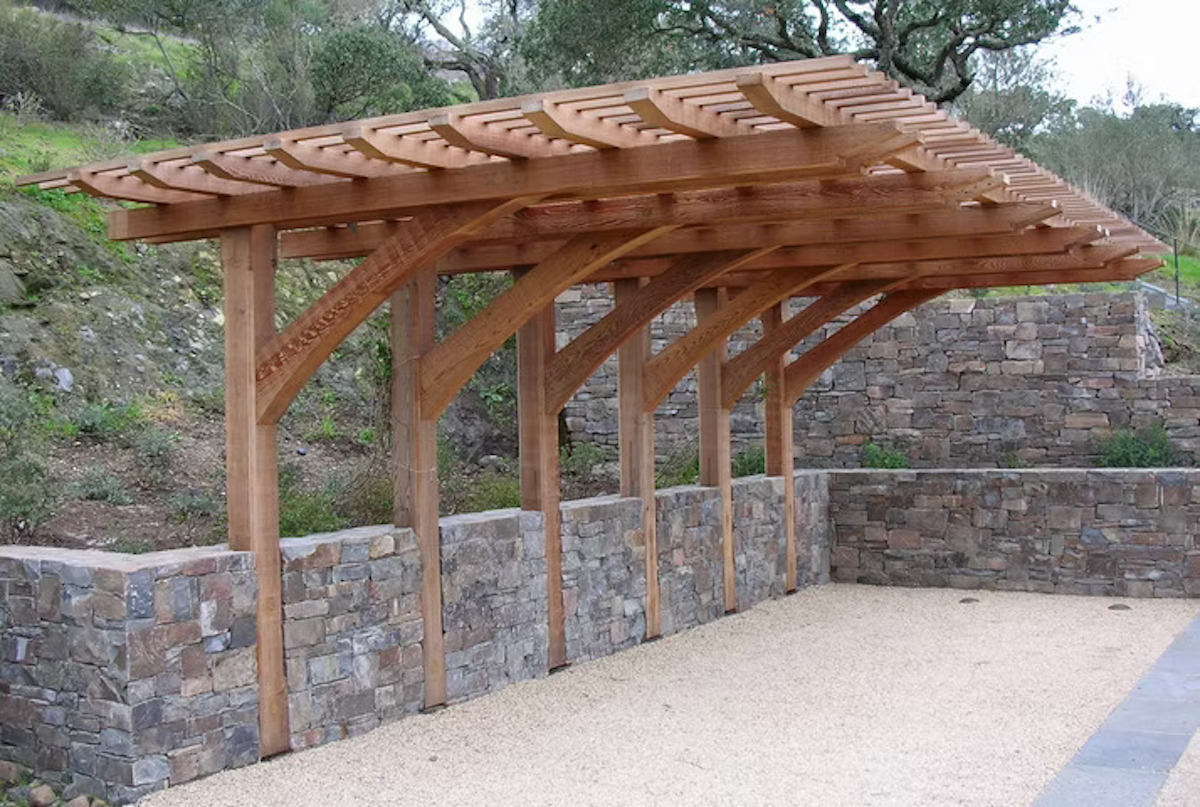
I would choose wood and stone because they reflect my design philosophy. Stone has a timeless beauty that brings warmth, permanence and a sense of history. I use it extensively for paving, walls, columns and fountains, often in large pieces where scale creates a strong visual impact. Wood complements stone by adding warmth, texture and natural elegance. Whether designing traditional or contemporary landscapes, these materials help create spaces that feel authentic, enduring and inviting. Together, they embody the balance of strength, beauty and craftsmanship that I strive for in every project.
What everyday object would you secretly love to redesign and why?
I’d redesign the humble Band-Aid. We’ve all used them since childhood — they’re one of the first symbols of comfort and care when we get hurt. There’s something reassuring about that simple act of putting one on. But why should they be so ordinary? I’d make them more stylish, colorful and expressive, turning them into small design objects that reflect personality rather than simply covering a wound. If you’re going to wear a Band-Aid, even for a short time, it should make you smile while reminding you that healing can be both practical and joyful.
What is your guiltiest design pleasure (the thing you love that “should” be a faux pas) and why?
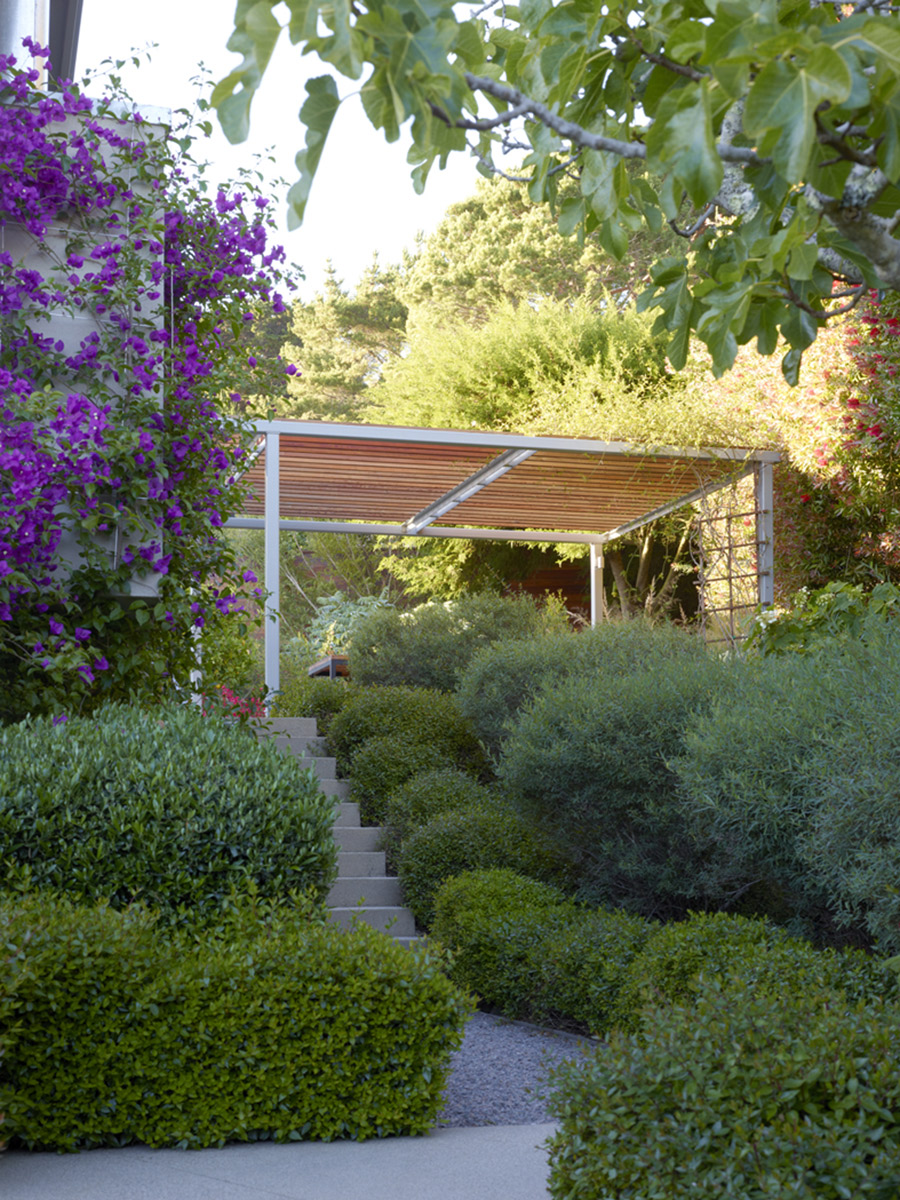
My guiltiest design pleasure is planting trees closer together to create groves. Conventional design often calls for generous, evenly spaced trees, but nature rarely works that way. Trees naturally cluster, overlap and compete for light, creating layered canopies, dappled shade and a sense of immersion. I love the intimacy and atmosphere that density creates — it feels less like a designed landscape and more like discovering a small forest. Sometimes breaking the rules results in spaces that feel more authentic, inviting and alive.
Growing up, what brand(s) spoke to you visually and why?
Growing up, I was drawn to brands with distinct design identities — Filson, Jil Sander and John Varvatos. Filson’s rugged craftsmanship and honest materials reflected durability and authenticity. Jil Sander’s minimalist aesthetic showed how simplicity and restraint can create timeless elegance. John Varvatos brought a bold, rock-and-roll edge with tailored, expressive designs. Although they represent very different styles, each demonstrated the power of a clear design vision. Together, they taught me that great design isn’t about following one aesthetic — it’s about creating something authentic, memorable and true to its purpose.
Which architect, designer, or artist would you most like to share a studio (or a bottle of wine) with and why?
I’d most like to share a studio — or a bottle of wine — with John Pawson. His work embodies an elegance that feels effortless yet deeply considered. His minimalism is never cold; it’s warm, tactile and beautifully refined. What I admire most is his extraordinary attention to detail — every proportion, material and junction is thoughtfully resolved. Like a finely crafted piece of furniture, his architecture achieves beauty through restraint. I imagine a conversation with him would be as thoughtful, inspiring and quietly profound as the spaces he creates.
What’s the first building you remember falling in love with and why?
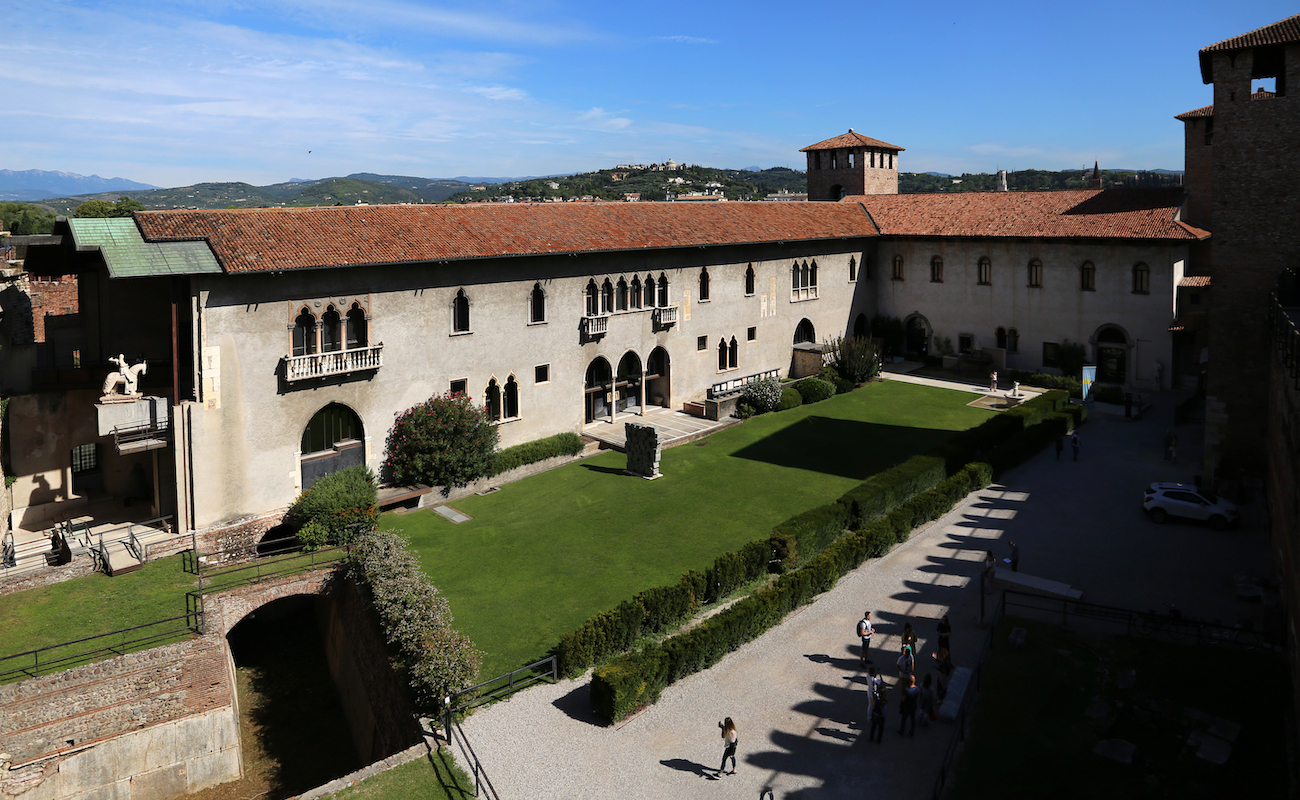
The first building I truly fell in love with was Museo di Castelvecchio, redesigned by Carlo Scarpa. It’s a masterpiece of craftsmanship and restraint. Scarpa’s ability to layer old and new, balancing stone, concrete, light and shadow, is extraordinary. Every detail feels intentional, from the custom display mounts to the precise way materials come together. Walking through the museum feels like experiencing architecture as choreography, where history and modern design exist in perfect harmony.
Which design cliché do you secretly adore and why?
A design cliché I secretly adore is symmetry. It may be predictable, but there’s something deeply reassuring about it. Symmetry creates order, balance and a sense of calm that feels almost instinctive. In a world that often feels chaotic, a balanced composition brings clarity and quiet confidence. Whether in architecture, gardens or interiors, symmetry has a timeless quality that helps spaces feel grounded and harmonious. Sometimes the most enduring design principles become clichés simply because they work so beautifully.
What’s the most eccentric item on your desk right now?
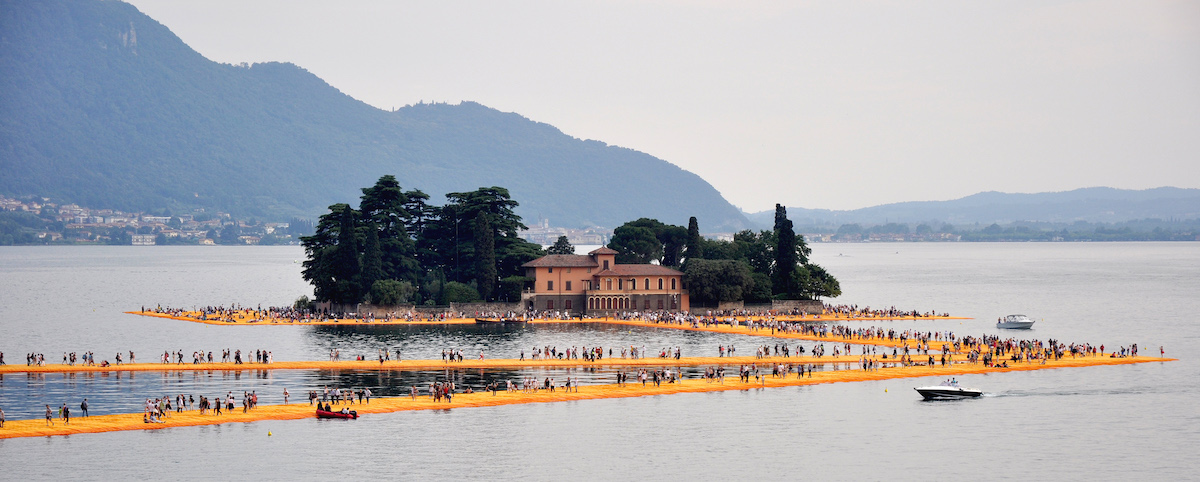
The most eccentric item on my desk is a photograph of Christo’s 2016 installation, The Floating Piers. I love how it transformed an entire lake into a place people could walk on and experience in a completely new way. It reminds me that great design can be temporary yet profoundly memorable. I was also fortunate to visit Christo’s The Umbrellas in California in 1991—an unforgettable experience that continues to inspire my work today.
If you could live inside a movie set forever, which would it be?
It would be The Secret Garden. The garden feels like a hidden sanctuary—lush, peaceful and full of quiet magic. It’s the kind of place that offers refuge from the outside world, where nature heals, time slows down and every path invites discovery. As a landscape architect, I’ve always been inspired by gardens that evoke emotion, and The Secret Garden captures that perfectly. Living there would feel like existing in a timeless world of renewal, beauty and wonder.
Which natural shape or pattern do you find endlessly inspiring and why?
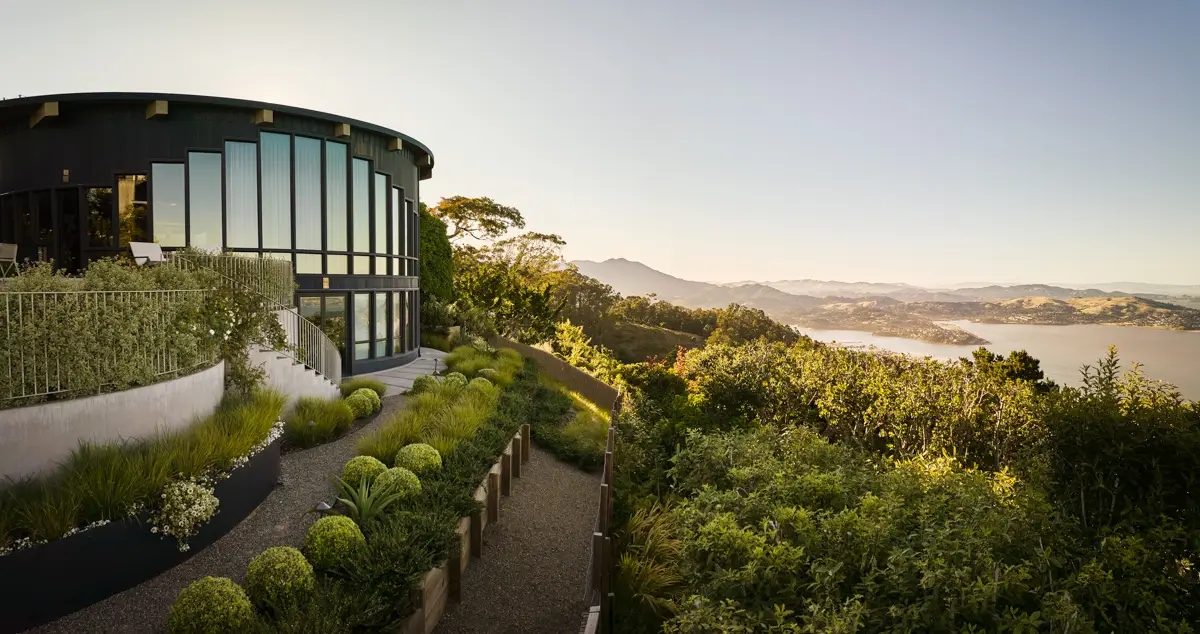
I’m endlessly inspired by the proportions and scale found in nature. Whether expressed through symmetry or asymmetry, they create a sense of balance and harmony that feels timeless. I’m especially drawn to the relationship between strong geometric forms and softer, organic curves. That interplay — structure meeting fluidity, order meeting movement — creates landscapes that feel both intentional and natural. When proportion, scale and form are in balance, a space simply feels right, inviting people to slow down and connect with their surroundings.
What would you like your work to whisper about you when no one is looking?
I’d like my work to whisper that it brings people happiness. I hope each garden feels unique and deeply connected to its place — never imposed or generic, but thoughtfully shaped by the landscape, architecture and the people who live there. My goal is for every design to feel timeless and inevitable, as though it has always belonged. Above all, I want my work to quietly express care, sensitivity and craftsmanship, creating places that feel personal, welcoming and alive.
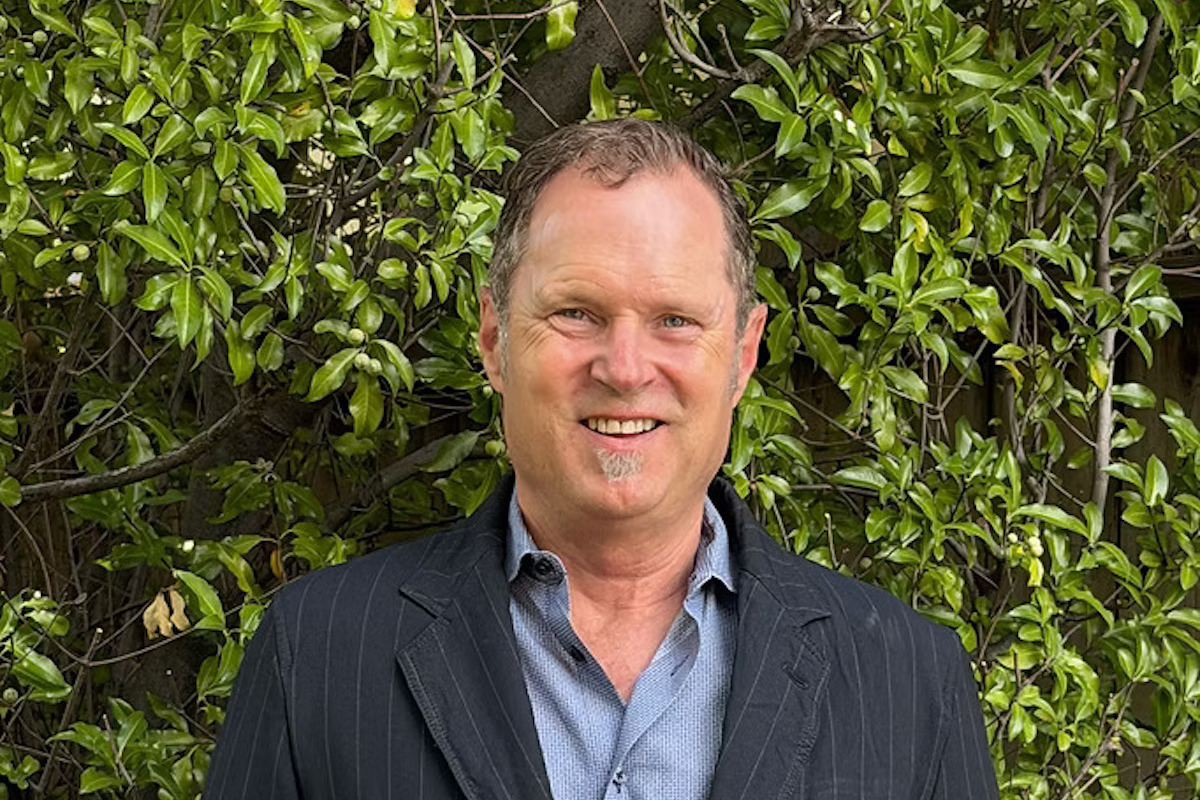
Eric Blasen is a member of the SPACES Advisory Board.