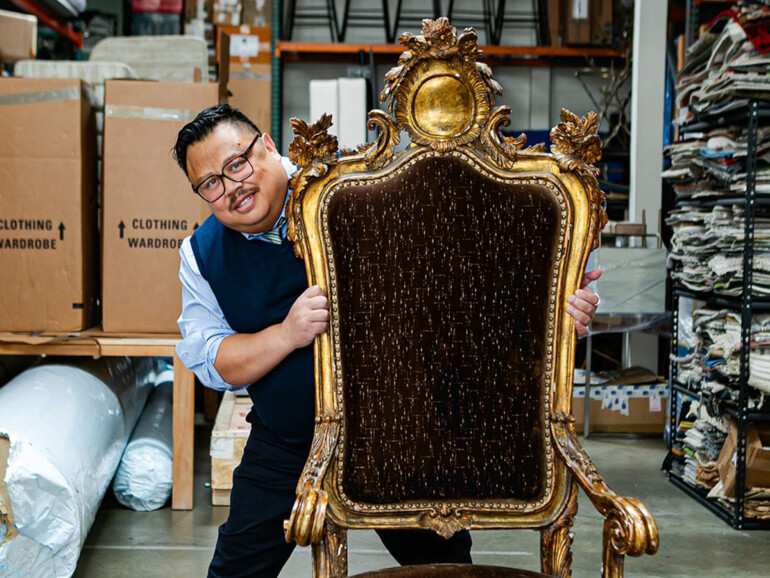
In 2016, San Francisco interior designer Jon de la Cruz splashed onto the Bay Area design scene with his work at Leo’s Oyster Bar, drawing designers, divas and diners who flocked to the restaurant to see and be seen against a backdrop of glitter-glass, tropical-print wallpaper and rattan furnishings.
The Academy of Art University-trained designer began his career more than two decades ago while working at a Michelin-starred restaurant, which left an indelible mark. Today, de la Cruz designs interiors for dining destinations like San Francisco’s Wayfare Tavern and Via Aurelia and residences in the Bay Area and beyond at the helm of his namesake firm, de la Cruz Interior Design (DLC-ID).
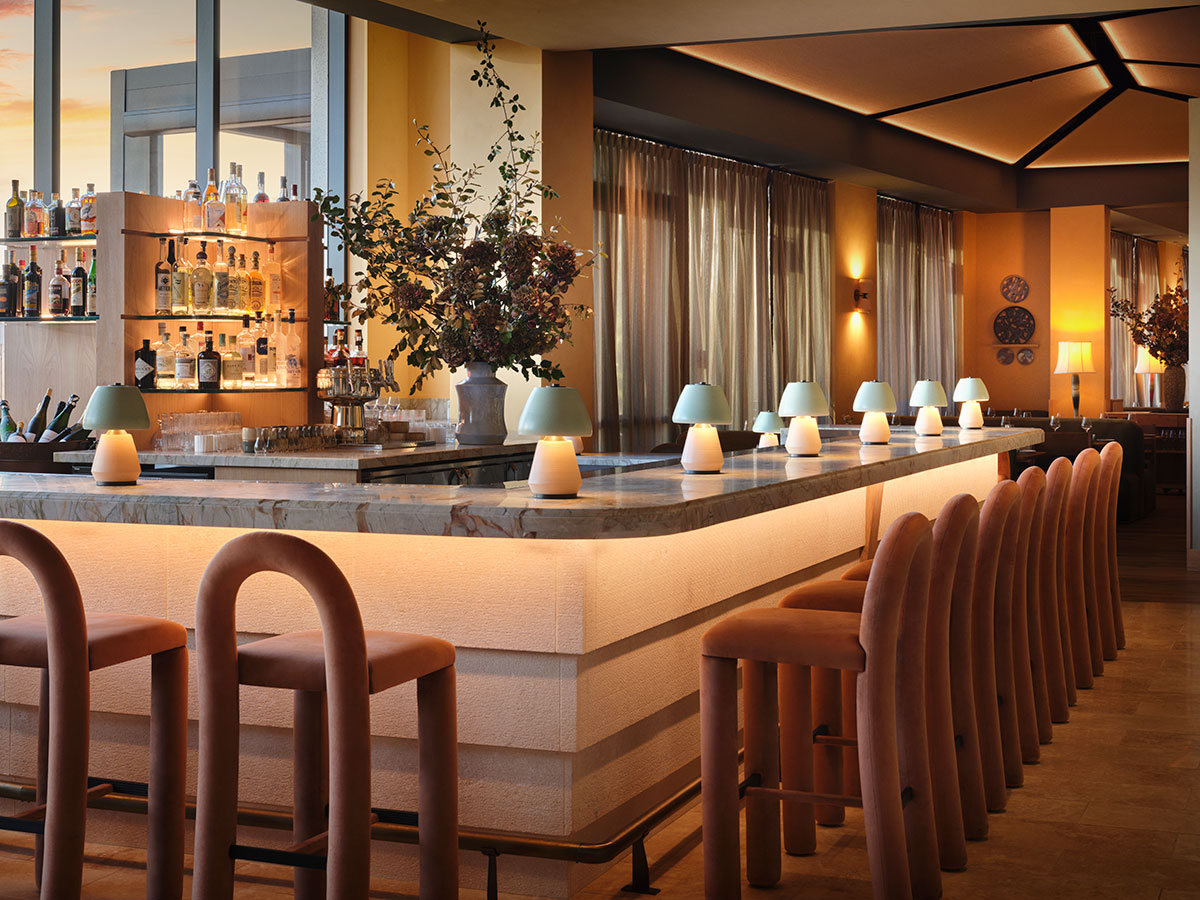
We met up with de la Cruz at San Francisco’s Wayfare Tavern to chat about his background, where he looks for inspiration and why wallpaper remains a cornerstone of his brand.
What did you study at the Academy of Art University?
I got my degree in interior architecture. I started in fashion, moved to graphic design, looked at advertising, and then ended up in interior design and interior architecture, because I can’t really draw people. Once they gave me a ruler and a triangle, I was much happier.
Which came first, home design or restaurant design?
When I was in design school, I was working at a lot of different high-end restaurants like David Gingrass’ Hawthorne Lane (closed in 2006), and that’s what propelled me into interior design. I promised myself that I would design a better restaurant — one that functions and is beautiful, not just functional or beautiful.
I was also working at Hendler Design. I would work on projects with financial institutions and private securities offices. Later, I worked for a company called Babey Moulton Jue & Booth (BAMO). They did beautiful residential and hospitality projects all over Europe and Asia.
When did the residential design come into play?
I worked for residential designer Steven Volpe. He’s established here in San Francisco. He does beautiful work, and I consider him one of my mentors.
Was there a turning point where you started to develop your own design perspective?
I got to round up my experience in residential and hospitality design while working for Ken Fulk. That’s where I learned how to run a circus, basically. I was design director for him for almost seven years creating experiences for people. Private homes, restaurants, hotels — we approached every project like a movie. How are we going to set the scene? How are we going to make it exciting? That approach really put the cherry on top of my point of view.
How would you describe your aesthetic?
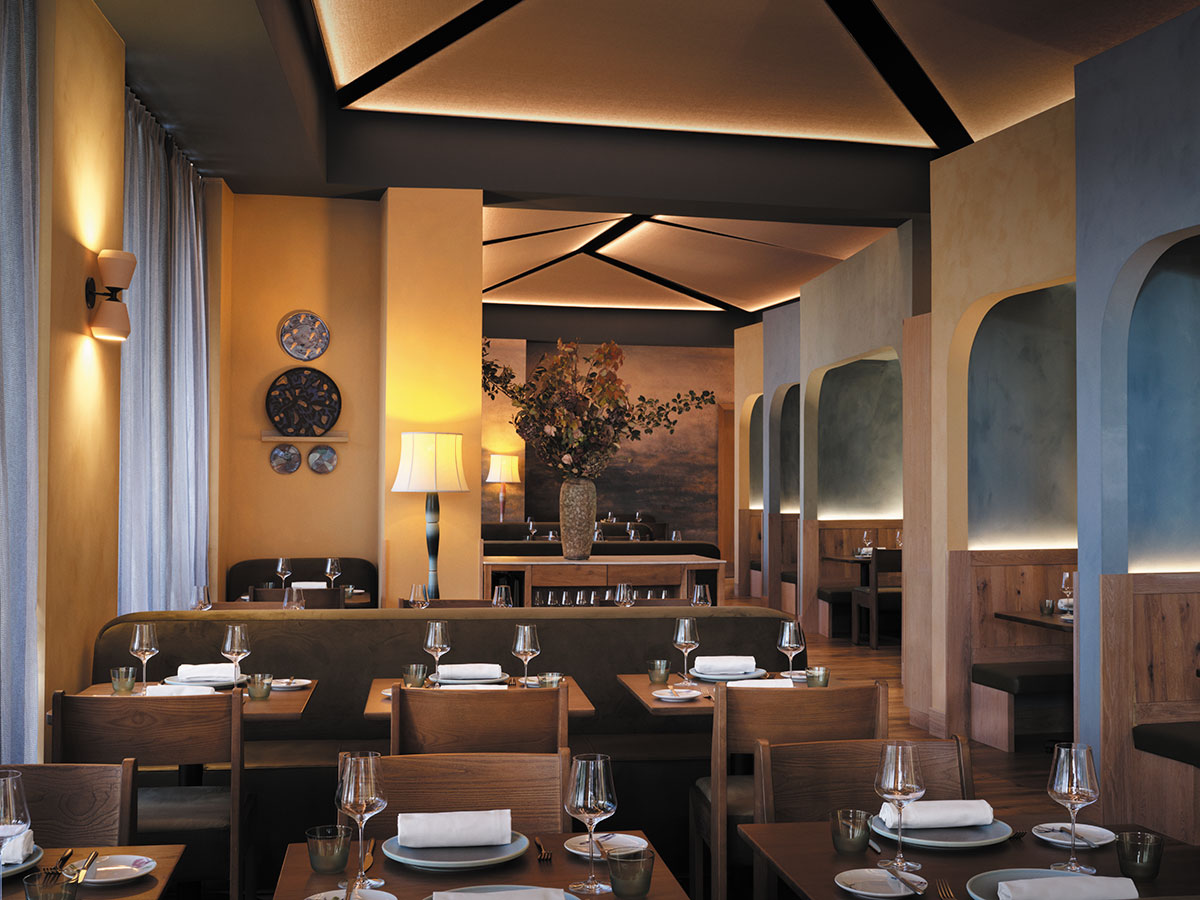
My aesthetic is modern design punctuated with distinctive vintage pieces and bespoke furnishings — spaces that are vibrant, welcoming and classic with intricate attention to detail. In all of my projects, I look to the client for the style, and I insert myself just where I need to, so I can make the design even better than what they expected, but it’s still true to their identity.
Can you share a few design highlights from Via Aurelia, your latest San Francisco restaurant project with the Che Fico team?
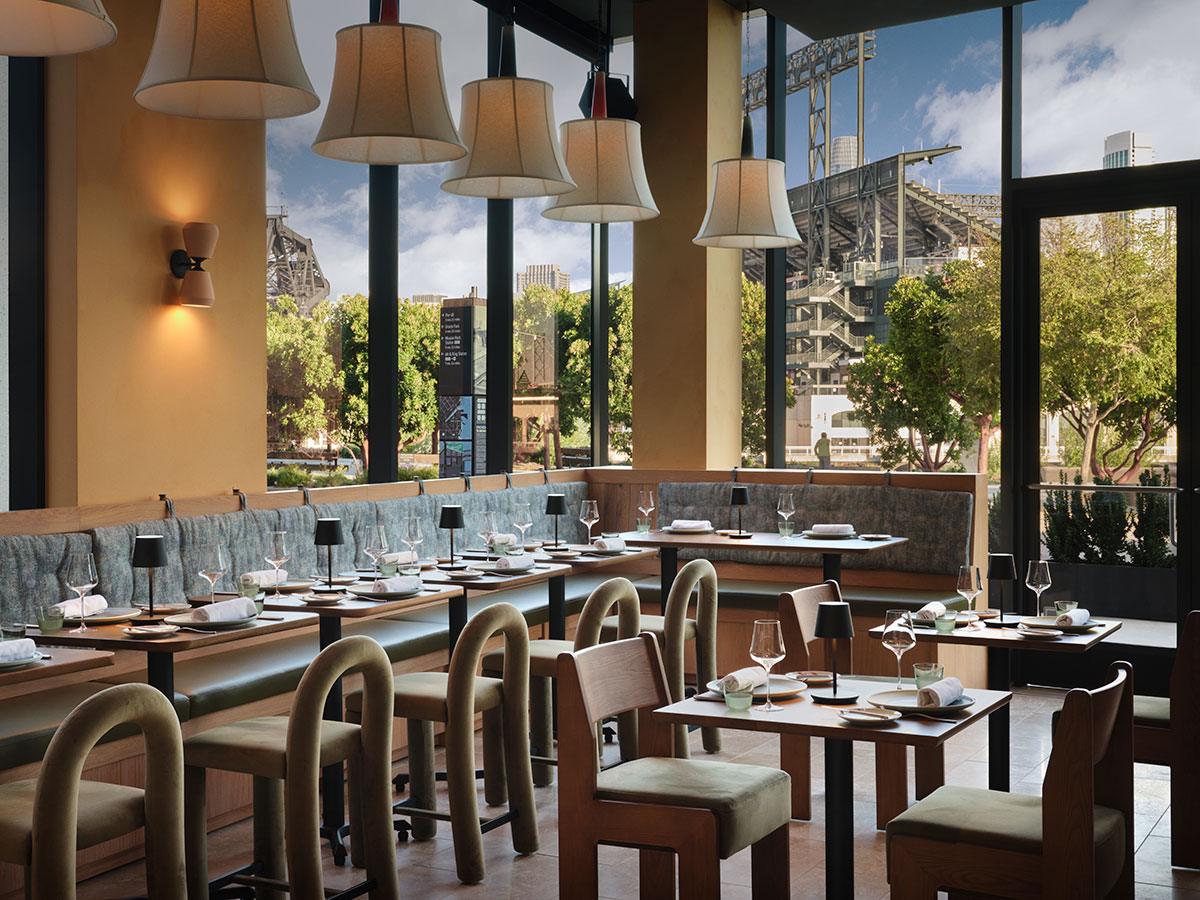
The design is a nod to Italian Rationalist architecture. My aim was to channel touchstones of Italian style to create a palette rooted in antiquity yet current today — vaulted ceilings; frescoed plaster patinas; and burnished, time-worn tones like olive, terracotta, ochre and blue juniper.
The context of the building also played a guiding role. It’s informed by the bold exterior of Henning Larsen’s monumental Visa headquarters, whose massive white precast facade recalls Rome’s Colosseo Quadrato. Florentine sandstone, elliptical arches, and references to David Hockney’s operatic stage set for Giacomo Puccini’s Turandot infuse the interiors with a theatrical rhythm. An al fresco pergola that opens to sweeping views of San Francisco Bay adds to the sense of drama.
Tell us about what inspired the design at the new iteration of Wayfare Tavern, which also opened last year in San Francisco.
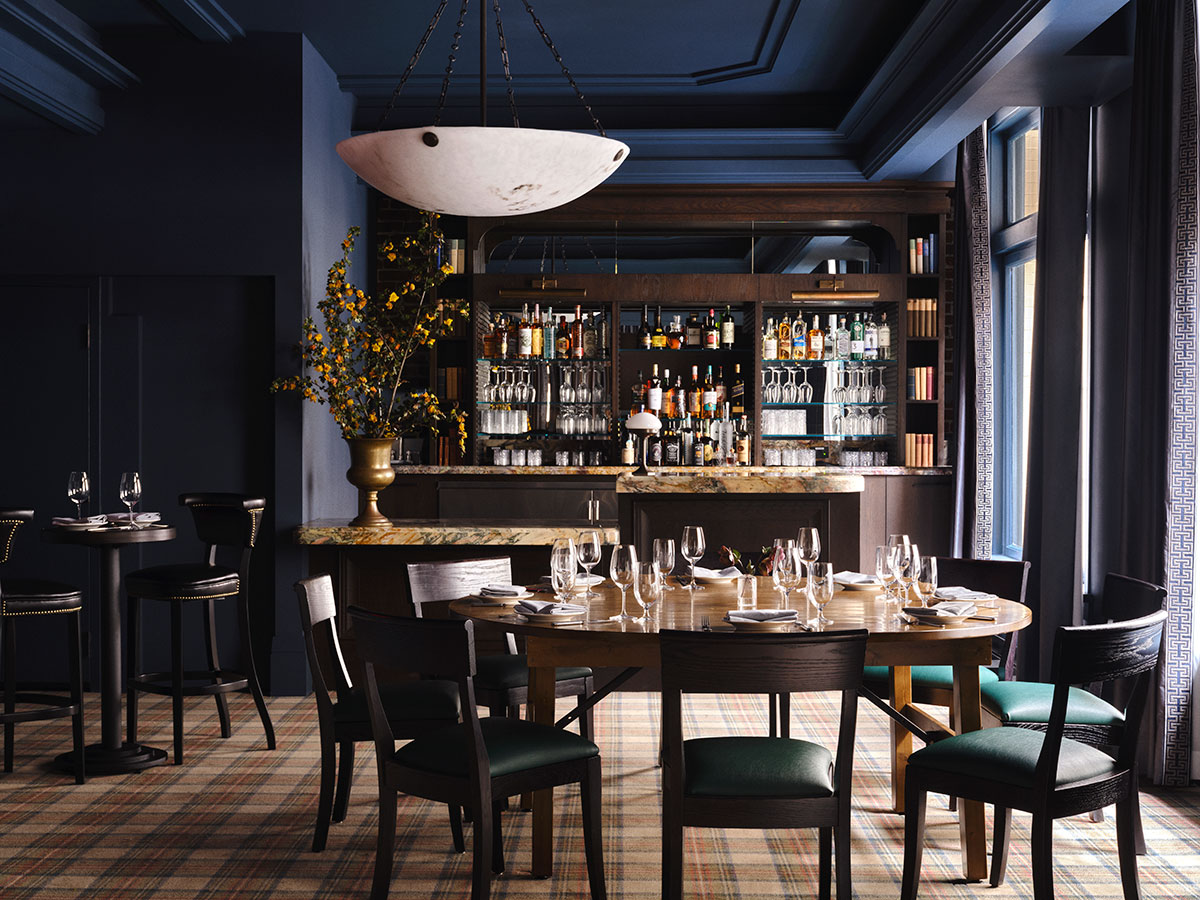
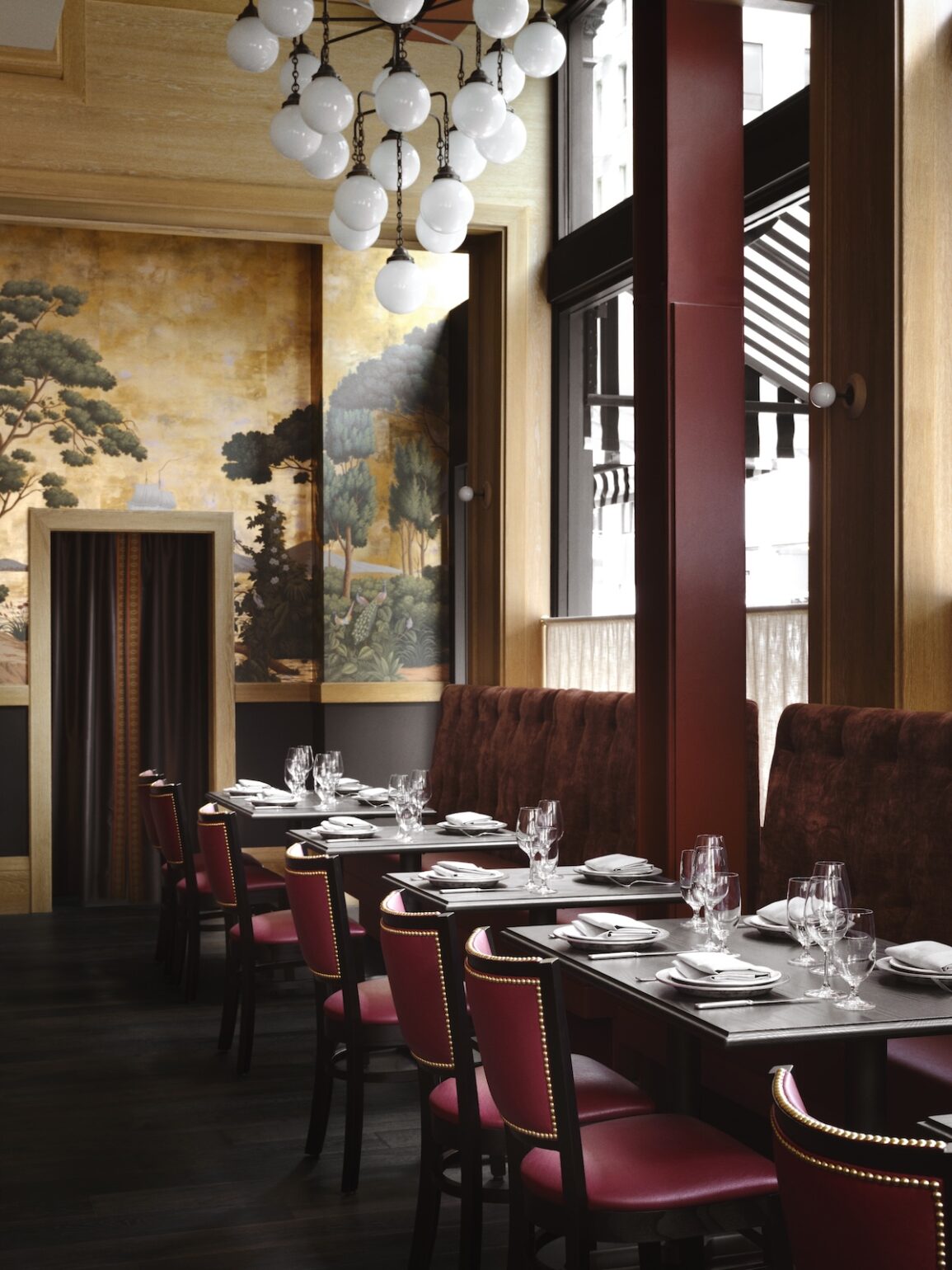
The restaurant is located in the Financial District, but historically, it happens to be on the Barbary Coast. Some downtown buildings have ships buried underneath them. A mural downstairs recalls what the scene might have been during the Barbary Coast era. It’s printed on gold leaf paper to further allude to the Gold Rush. We also referenced local history by painting the iron columns and rivets in the downstairs space the color of the Golden Gate Bridge. The serpentine green of the bars and the kitchen counters is a reference to the grand historical banks found in the Financial District.
One of my other conceptual muses was the board game Clue. When we started designing Wayfare four years ago, I looked at the floor plan and the first thing I thought of was Mrs. Peacock in the dining room with a knife. It was like a game board with all these different spaces that each needed to function in a different way. I wanted to make the rooms feel a little different but still connected, almost like a residential mansion. Wallpaper, and more specifically library wallpaper, is a really good way to accessorize without investing in a lot of extra art.
How did you incorporate functionality into the design at Wayfare Tavern?
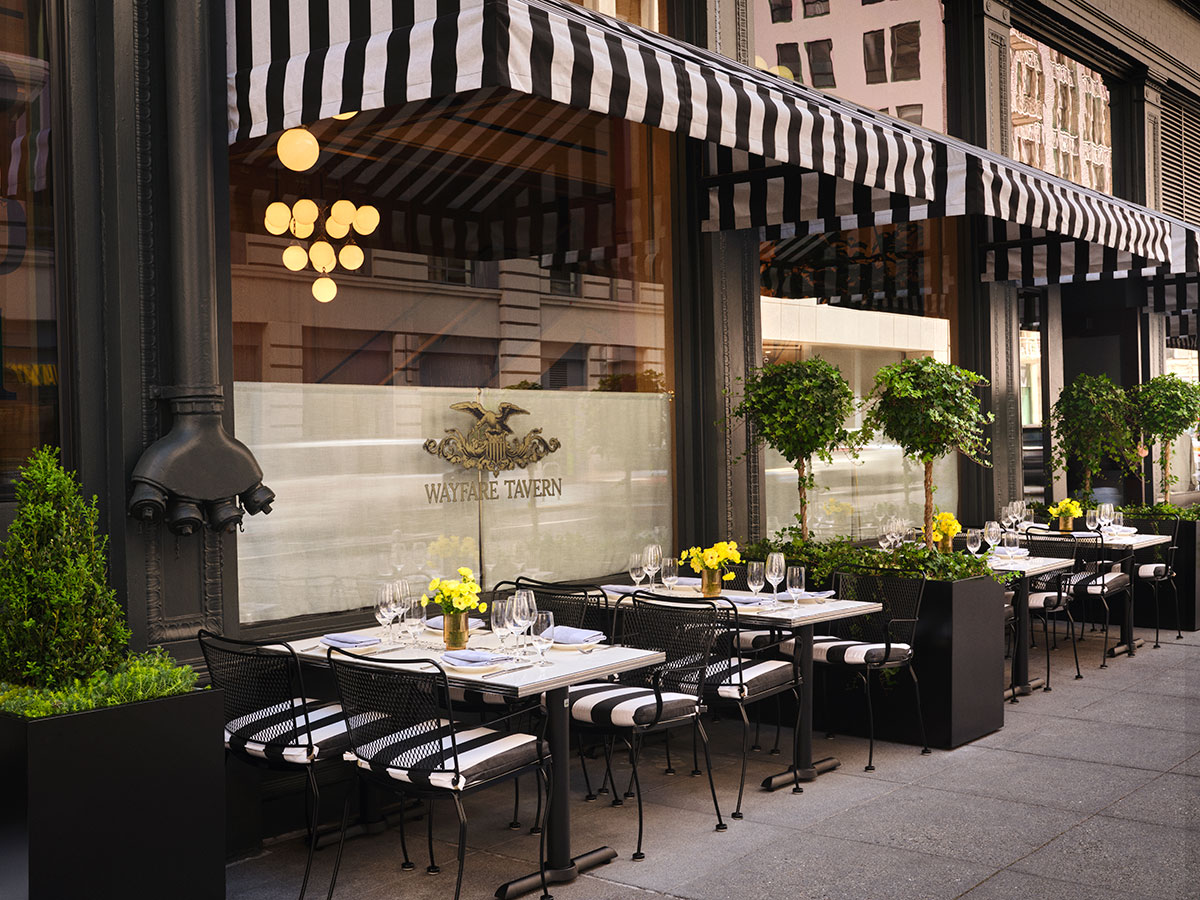
I know that kitchen functionality is paramount at Tyler’s restaurants. The staircase is a huge main character in the design. The only place we could put it was right in the middle to connect the three floors, so that the ground floor kitchen, the first floor where the plating kitchen is, and the second floor can all circulate in an efficient way. What I call the “galley” — a series of elevated booths — provides a front-row seat to see the chefs plating the food. It’s all part of the experience at Wayfare Tavern.
What are some highlights from other restaurant projects?
The first restaurant that I worked on after I left Ken Fulk was Leo’s Oyster Bar. That was a jewel box of a space. Another one of my early restaurants is Protege in Palo Alto. I used woven horsehair and abaca fiber wallpaper that looks like rust cloth but has this pale blue underneath to make a really warm, beautiful color.
Can you highlight a recent residential project?
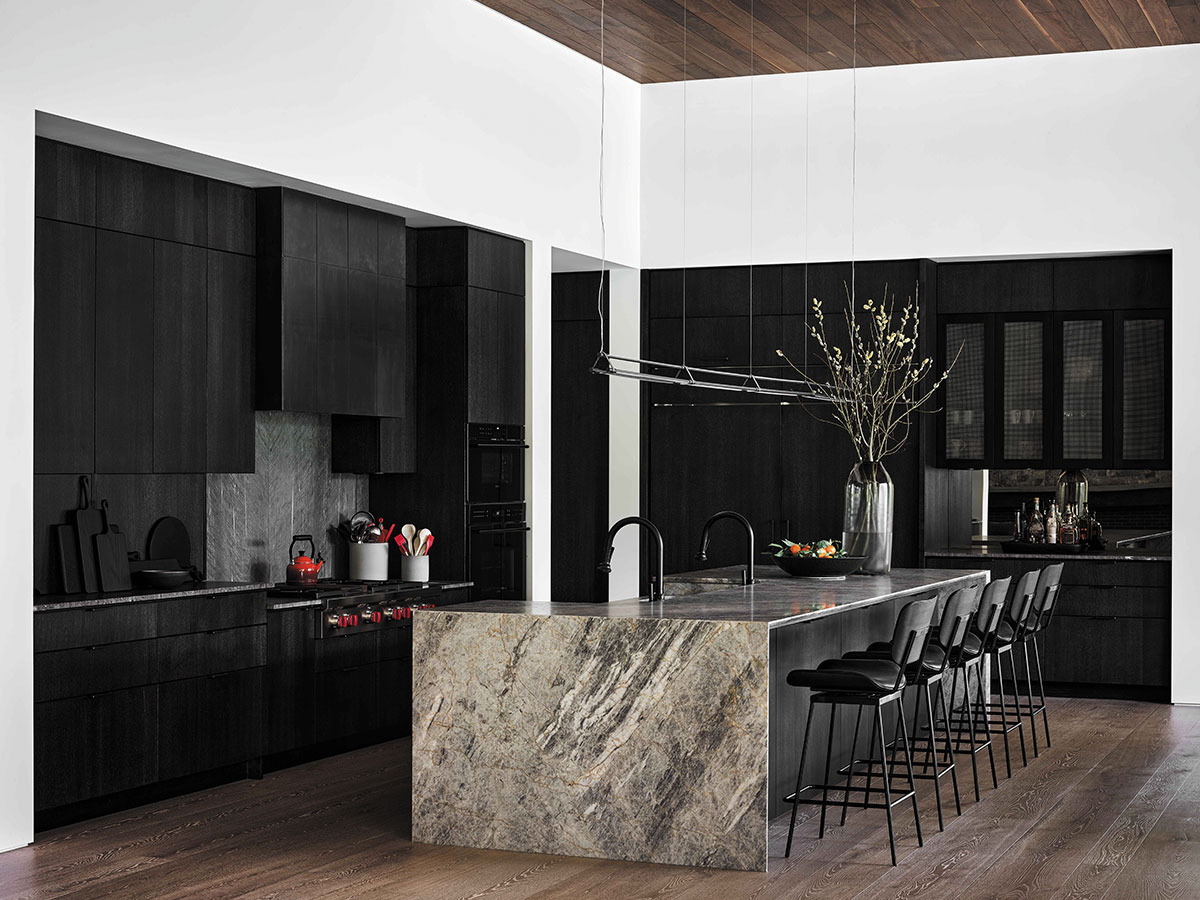
A client on Mountain Home Road in Woodside wanted to simplify. Most houses have a formal dining room and a kitchen with a breakfast room. For this project, however, we married all of that into one function, turning it into a big, beautiful entertaining kitchen — an informal place where everyone could gather. The client wanted modern, dark cabinets and a dining table to seat 14.
We took inspiration from an Olson Kundig House in Ketchum, Idaho, that the client asked me to tour. There was a screen that would come down and separate the kitchen from the open dining room to block the view of any kitchen mess — a modesty panel, if you will.
What do you like about participating in the San Francisco Design Showcase, held every year in the spring?
It’s addictive! It’s also very expensive, because you pay out of pocket. Most people don’t know that. And it’s six months of work. But that’s when I get to put some of my wildest ideas in one room and see how people react. It’s a little bit self-indulgent — wallet’s the limit.
It’s also like a boot camp. I get to meet principals of other firms while working on site. Then when it opens, you’re meeting new people and shaking hands and getting your name out there. It’s my social Olympics for the year.
Where do you find inspiration?
Travel. Travel. Travel. I’ve been to Palm Springs a lot lately, and I like going to Dallas, New York, LA and Seattle. I try to go to Italy every other year. Italy is where my heart is. My next stop will be Bologna.
How does your residential and restaurant design work intersect?
It’s all about relationships, communication and serving people, whether you’re serving them a plate at a restaurant or designing their house. You try to understand and anticipate their needs and make them happy. That’s why I do this.